

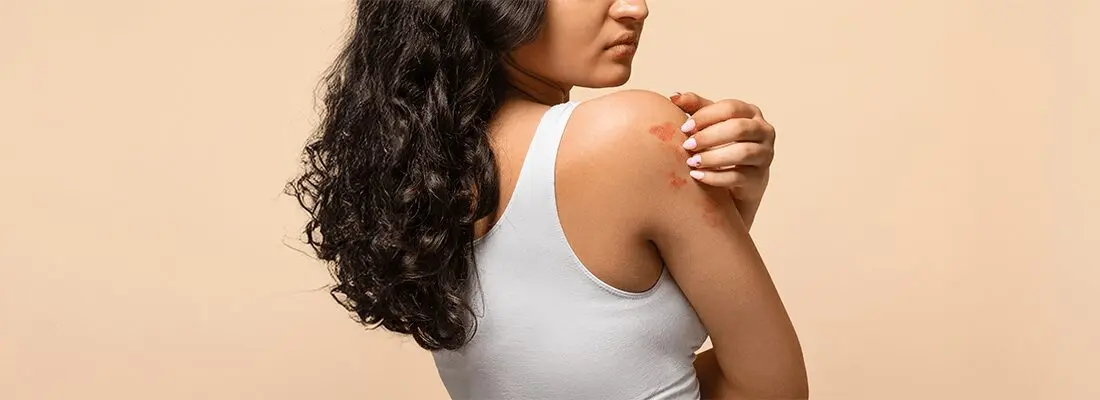
Rashes are common across all age groups, and most are harmless. But a rash that doesn’t fade when pressed should be closely observed. Known as a non-blanching rash, this type of rash can sometimes be a sign of an underlying medical condition that requires timely evaluation.
Understanding what this condition looks like, why they occur, and when to seek help can make a significant difference, especially in children, where symptoms may progress quickly. This guide explains everything you need to know in a clear, easy-to-understand way for both adults and caregivers.
If you’ve been dealing with blanching rashes, you can also check ongoing Urticaria Clinical Trials exploring potential new treatment options.
What Exactly Is a Non-Blanching Rash?
A rash is considered non-blanching when the spots or patches do not turn white (or lighter) when pressure is applied, typically checked using the “glass test.” This happens because the small blood vessels under the skin, called capillaries, have ruptured and leaked blood, causing discoloration that stays visible even when pressed.
Non-blanching rashes fall into three main categories:
| Petechiae | Purpura | Ecchymosis |
|---|---|---|
|
| |
| Compared to petechiae |
Remember the appearance can vary depending on the cause, but the key characteristic is that the rash stays visible when pressed.
How to Perform the Glass Test at Home
The “glass test” is a quick, simple method to identify if a rash is non-blanching:
- Take a clear drinking glass.
- Press it gently but firmly against the rash.
- Observe the spots:
- Do they stay red, purple, or brown?
- Do they not fade?
If yes, it’s a non-blanching rash.
- If the rash fades or lightens, it’s usually a less concerning blanching rash.
While this test helps categorize the rash, it is not a diagnosis. If you are unsure or the rash appears with other symptoms, medical evaluation is recommended.
Symptoms That May Accompany a Non-Blanching Rash
This condition can occur alone or with additional symptoms. These associated signs can give clues to the underlying cause. Common symptoms include:
- Sudden appearance of red or purple spots
- Fever or chills
- Fatigue or weakness
- Joint or muscle pain
- Unusual bruising
- Nosebleeds or gum bleeding
- Headache or stiff neck
- Swelling in the legs or ankles
- Irritability or lethargy in children
These symptoms help healthcare providers determine whether the rash is a minor issue or associated with a more serious condition.
Causes of Non-Blanching Rash in Adults and Children
This condition can stem from a wide range of causes, from minor, everyday situations to more serious medical conditions. Below is a detailed breakdown of the most common causes.
Common, Non-Serious Causes:
These causes are frequent and usually not dangerous, though they may still require attention.
1. Viral Infections
Many viruses, especially in children, can cause small petechiae. These rashes often appear with:
- Fever
- Sore throat
- Cough
- Body aches
Viral rashes often resolve on their own.
2. Straining, Coughing, or Vomiting
Pressure from severe coughing, vomiting, or crying can cause tiny blood vessels to burst, especially around the:
- Eyes
- Cheeks
- Neck
These small petechiae usually disappear within a few days.
3. Injury or Trauma
Small injuries or friction can lead to localized purpura or bruising. Even minor bumps can cause non-blanching spots, especially in people with sensitive skin.
4. Medications
Some medications can affect the skin or blood vessels, including:
- NSAIDs
- Blood thinners
- Steroids
- Certain antibiotics
If a rash appears after starting a new medication, a medical review is advised.
Medical Conditions That Can Cause Non-Blanching Rashes:
These conditions affect blood vessels, platelets, or the way blood clots, and they can cause non-blanching rashes that require medical diagnosis.
1. Thrombocytopenia (Low Platelet Count)
Platelets help with clotting. When they are low, small blood spots can appear. Causes may include:
- Viral infections
- Autoimmune disorders
- Certain medications
- Chronic illnesses
2. Vasculitis
This refers to inflammation of blood vessels, which may cause:
- Purpura
- Joint pain
- Abdominal pain
- Fatigue
One of the common forms in children is Henoch–Schönlein Purpura (HSP).
3. Immune Thrombocytopenic Purpura (ITP)
A disorder where the immune system wrongly targets and breaks down the body’s platelets. Symptoms include:
- Easy bruising
- Petechiae
- Bleeding gums
4. Liver Disease
The liver plays a major role in producing clotting factors. Liver conditions can lead to bruising and purpura.
5. Nutritional Deficiencies
A deficiency in vitamins like:
- Vitamin C (can cause fragile blood vessels)
- Vitamin K (needed for clotting)
Serious Causes That Can Cause Non-Blanching Rashes:
1. Meningococcal Infection
A rapidly progressing bacterial infection that can cause:
- High fever
- Severe headache
- Neck stiffness
2. Sepsis
A severe response to infection. Symptoms include:
- Fever or low temperature
- Rapid breathing
- Confusion
3. Leukemia
Blood cancers can cause:
- Petechiae
- Fatigue
- Frequent infections
- Easy bruising
While uncommon, a persistent rash with these symptoms should be assessed.
Non-Blanching Rash in Children: What Parents Should Know
Children often develop rashes for many harmless reasons, but this condition carries specific importance. Pediatric causes include:
Common Causes in Kids:
- Viral infections
- Straining from coughing/crying
- Mild injuries
- Allergic reactions
Conditions to Watch Closely:
- HSP (purpura, joint pain, abdominal pain)
- ITP
- Meningococcal infection
- Sepsis
Children experiencing fever, irritability, poor feeding, or unusual sleepiness along with a non-blanching rash should be evaluated right away.
When Should You See a Doctor?
Individuals should seek medical help if:
- The rash does not fade with the glass test
- It appears suddenly without explanation
- It spreads quickly
- Fever, vomiting, or lethargy accompanies the rash
- There is unusual bleeding
- The person seems very unwell
- A child shows signs of confusion, extreme drowsiness, or stiff neck
Diagnosis and Treatment: What to Expect
Healthcare providers may perform:
- Physical examination
- Blood tests (platelets, clotting factors, infection markers)
- Urine tests
- Imaging, if needed
Treatment depends entirely on the cause, and may include:
- Supportive care for viral infections
- Antibiotics for bacterial causes
- Steroids for immune conditions
- Treatment for clotting disorders
- Emergency care for serious infections
If you are exploring additional care pathways or emerging therapies, you can learn more about the ongoing Dermatology Clinical Trials to explore potential treatment alternatives.
Final Thoughts
A non-blanching rash can be simple or serious, which is why understanding it matters. While many causes are harmless and resolve naturally, others require swift medical attention. Recognizing the difference can help protect your health or your child’s well-being.
If you notice a rash that doesn’t lighten with pressure, especially if it’s accompanied by other symptoms, don’t wait. Timely evaluation ensures the right diagnosis and treatment.