

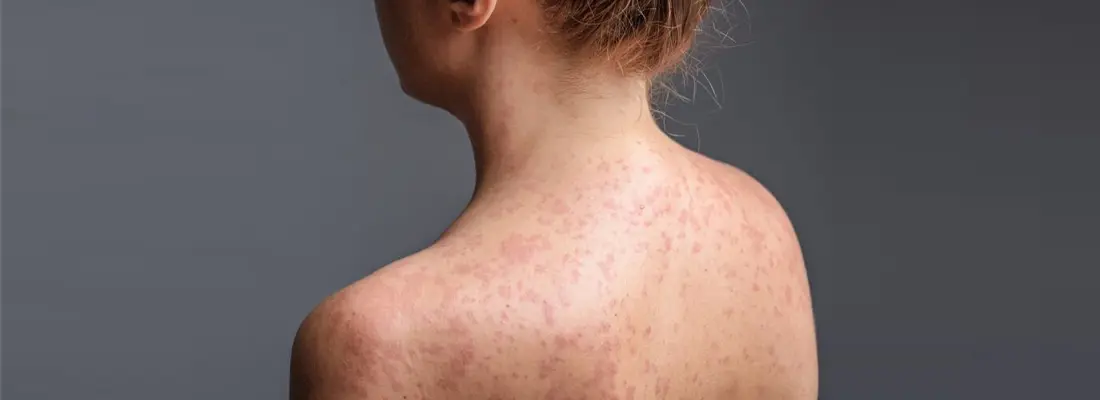
Most rashes in adults are not serious. However, knowing when to worry about a rash in adults can make a real difference. Some rashes signal infections, allergic reactions, or even systemic conditions that need fast medical care. This blog breaks down what to watch for.
Have you ever woken up with a strange red patch on your skin and thought, “Should I be worried?” You are not alone. Most adults deal with a rash at some point, and it is usually harmless. But sometimes, a rash is your body trying to tell you something more serious is going on.
This guide covers adult rash warning signs, causes, treatment options, and when you should not wait to see a doctor. So, let’s walk through it together, step by step.
Not All Rashes Are the Same, What’s Actually Going On?
Here’s the thing, understanding when to worry about a rash in adults starts with knowing the basics. Not every red, itchy spot is a cause for alarm. However, knowing the difference between a minor irritation and a serious skin rash can help you act quickly when it matters.
Common Rash in Adults Causes:
So, what triggers a rash? There are many rash in adults causes, and some are very simple. Contact dermatitis is one of the most common. It happens when your skin touches something it doesn’t like, detergent, fabric, metal, or plant. In addition, heat rash, eczema, and psoriasis are also very common triggers.
Moreover, allergic reactions to food, medication, or insect bites can also cause sudden flare-ups. On the other hand, infections be it viral, bacterial, or fungal can produce rashes that spread fast and may need treatment.
What Do Skin Rash Symptoms Usually Look Like?
Most skin rash symptoms include redness, swelling, itching, or small bumps. However, the appearance varies a lot. Some rashes are flat, some are raised, and some blisters. Furthermore, the location on your body matters too. A rash on your torso looks very different from the rash on your neck, face or hands. Knowing how your rash looks is the first step toward getting the right care.
Also Read: Is an Itchy Neck a Sign of Cancer? Causes and Warning Signs
Adult Rash Warning Signs You Should Never Brush Off
Well, here’s where things get more serious. Knowing when to worry about a rash in adults means knowing which adult rash warning signs should push you to call a doctor or go to the ER.
Is Your Rash Spreading Fast?
A rash that spreads rapidly across your body is a red flag. Moreover, if it starts on one area and covers a large surface within hours, do not wait. This is one of the most common dangerous skin rash signs that doctors take seriously. Fast-spreading rashes can point to severe infections like cellulitis or even meningococcal disease.
Watch for these warning signs right away: a rash with high fever, blistering skin, trouble breathing, swelling of the face or throat, or a rash that does not fade when you press it.
Are You Running a Fever With That Rash?
A fever combined with a rash is always worth checking. In fact, this combination is one of the strongest adult rash warning signs that something deeper is happening. Conditions like scarlet fever, Rocky Mountain spotted fever, and measles all cause both. Furthermore, some autoimmune flares also produce this pairing. So, if you have both, get checked sooner rather than later.
Other dangerous skin rash signs to look for include:
- Rash turning purple, dark red, or brown
- Painful blisters that burst open
- Skin that peels off in sheets
- Rash near your eyes, mouth, or genitals
- Sudden rash that appeared with no clear cause
When a Sudden Rash in Adults Needs Immediate Attention
You might be wondering when exactly should you stop waiting and go to the ER? Understanding when to worry about a rash in adults means recognizing moments of true urgency. A sudden rash in adults that comes with other symptoms is one of those moments.
Could It Be an Allergic Reaction?
A sudden rash in adults that appears within minutes to hours of eating, taking medication, or getting stung could be an allergic reaction. Moreover, anaphylaxis, a severe allergic reaction is life-threatening. Therefore, if you notice hives, swelling of the lips or throat, wheezing, or dizziness alongside a rash, call emergency services right away. Do not drive yourself.
What About Unexplained Skin Rash and Dizziness Together?
Unexplained skin rash and dizziness happening together is a pairing that needs attention fast. This combination can point to a serious systemic reaction, blood pressure changes, or even sepsis in rare cases. Furthermore, if you feel faint, dizzy, confused, or short of breath alongside a rash, treat it as a medical emergency. Additionally, unexplained skin rash and dizziness should never be self-diagnosed, always get a professional evaluation when these two show up together.
Call 911 or go to the ER if your rash comes with dizziness, difficulty breathing, facial swelling, chest pain, or rapid spread across your body.
Rash in Adults Causes from Mild to Serious
Getting to the bottom of when to worry about a rash in adults means looking at what causes them in the first place. The range of rashes in adults causes is wide. Some are very easy to treat. Others need professional care right away.
Everyday Triggers (Allergies, Heat, Contact Dermatitis)
Most mild rashes come from everyday exposure to irritants. For instance, new soaps, skincare products, or laundry detergents often cause contact dermatitis. Additionally, heat rash appears when sweat gets trapped in blocked pores very common in humid climates. Moreover, food allergies and insect bites are also frequent rash in adults causes that often resolve with antihistamines or topical creams.
More Serious Causes Worth Knowing
On the other hand, some rashes come from serious underlying conditions. Shingles, for example, cause a painful, blistering rash along a nerve line. Furthermore, Lyme disease produces a distinctive bull’s-eye rash after a tick bite. Drug reactions, especially antibiotics, NSAIDs, and seizure medications can also cause severe dangerous skin rash signs like Stevens-Johnson syndrome, which is a medical emergency.
In addition, autoimmune conditions like lupus or dermatomyositis produce rashes as a core symptom. So, if you have a recurring rash without a clear cause, it is worth running a full panel of tests with your doctor.
What Skin Rash Treatment Actually Looks Like
Once you understand when to worry about a rash in adults, the next step is knowing your options. Skin rash treatment depends heavily on the cause, which is why diagnosis matters so much before treatment begins.
At-Home Steps That Can Help
For mild rashes, at-home care works well. First, avoid scratching; it makes things worse. Moreover, applying a cold, damp cloth reduces itching and swelling. Over-the-counter hydrocortisone cream helps with inflammation. Additionally, antihistamines like cetirizine or loratadine reduce allergic skin rash symptoms like hives, rashes, and itching.
Tip: Keep the area clean and dry. Use fragrance-free soap and moisturizer. Avoid tight clothing over the rash. If it does not improve in 2-3 days, see a doctor.
When You Need a Doctor’s Treatment Plan
However, some skin rash treatment needs go beyond what you can handle at home. Bacterial skin infections need prescription antibiotics. Fungal rashes need antifungal medication. Furthermore, autoimmune-related rashes may require immunosuppressants or biologics medications that target the immune response directly. Therefore, never self-treat a rash that is spreading, painful, or combined with other skin rash symptoms like fever or joint pain.
In addition, patch testing and blood panels help identify what is triggering a rash. A dermatologist can guide you through the right diagnostic steps and build a treatment plan that actually works for you.
How Clinical Research Is Changing Skin Rash Treatment
There is more to understanding when to worry about a rash in adults than just knowing the symptoms. Research is actively improving how we diagnose and treat complex skin conditions. At Revival Research Institute, clinical studies are helping to expand the options available for patients, especially those with recurring or unexplained rashes.
Moreover, new treatments for conditions like eczema, psoriasis, and urticaria are being tested in clinical trials. These trials often offer access to cutting-edge skin rash treatment options before they become widely available. Furthermore, if you experience a sudden rash in adults that keeps coming back without explanation, participating in a clinical study may provide both answers and better care.
In addition, ongoing research is helping doctors better understand the link between systemic conditions and skin reactions, so patients get faster, more accurate diagnoses. That is a real step forward for anyone living with unexplained skin conditions.
Conclusion
Knowing when to worry about a rash in adults is genuinely useful knowledge. Most rashes are minor. However, some are your body’s way of sounding an alarm. Pay attention to adult rash warning signs like fast spreading, blistering, fever, or unexplained skin rash and dizziness together. These symptoms need prompt medical attention, not a wait-and-see approach.
Moreover, understanding rash in adults causes helps you take faster action when it matters. Whether it’s a contact allergy or something more complex, getting the right diagnosis leads to the right skin rash treatment. And if you’re dealing with a recurring or sudden rash in adults without a clear answer, Revival Research Institute may be able to help through ongoing clinical research programs.