

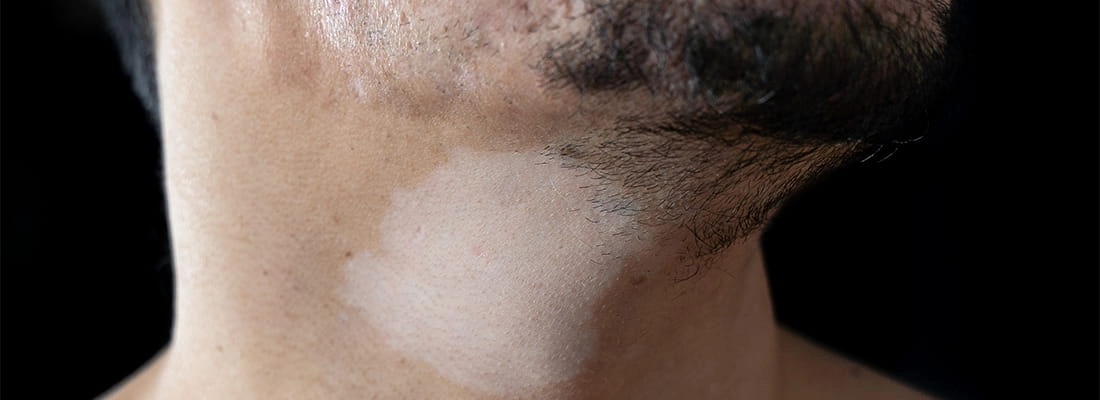
If you’ve noticed lighter patches on your skin, you’re not alone. Hypopigmentation can appear suddenly or gradually, and it can be confusing to understand why your skin changes color. Well, here’s the thing, these lighter areas, known as hypopigmented patches, are usually caused by low melanin production in your skin.
In this blog, we’ll explore the different types of hypopigmentation, the common symptoms, and the treatment options available to help manage or improve the condition.
Additionally, dermatology clinical trials are actively exploring a variety of skin conditions, including lichen planus, vitiligo, psoriasis, atopic dermatitis, and alopecia areata, helping advance treatment options for patients with diverse skin concerns.
What is Hypopigmentation?
Hypopigmentation is a condition where certain areas of your skin become lighter than the surrounding skin due to reduced melanin. Melanin is the natural pigment that gives color to your skin, hair, and eyes. When your skin cells make less melanin, hypopigmentation spots appear, which can be noticeable on your arms, legs, or face.
Moreover, hypopigmented patches on face or other visible areas can affect your confidence and make you wonder about possible treatments. On the other hand, some hypopigmentation is mild and might not need medical attention. Understanding the cause is the first step toward deciding how to treat hypopigmentation.
Common Causes of Hypopigmentation
Hypopigmentation can develop for several reasons, ranging from minor skin injuries to genetic disorders. Some of the most common causes include:
1. Skin Injuries:
- Burns, blisters, and chemical exposure can damage your skin cells.
- As your skin heals, lighter scars or hypopigmented patches may appear.
2. Skin Conditions:
- Pityriasis alba: Often seen in children, it causes scaly patches that leave behind hypopigmented spots.
- Vitiligo: An autoimmune condition where melanocytes are destroyed, leading to white patches.
- Psoriasis and eczema: Both may leave lighter areas once inflammation subsides.
3. Genetic Disorders:
- Albinism: People with albinism have little or no melanin in their skin, hair, and eyes from birth. These cases often result in permanent hypopigmentation.
4. Infections and Fungal Conditions:
- Tinea versicolor: This is caused by yeast overgrowth on your skin and may lead to hypopigmented patches.
5. Skin Treatments:
- Laser treatments (hair removal or resurfacing), chemical peels, and dermabrasion can sometimes reduce melanin, resulting in hypopigmentation.
Understanding the cause of hypopigmentation is key. This knowledge helps determine if hypopigmentation treatment is necessary or if the skin may recover naturally over time.
What are the Symptoms of Hypopigmentation?
You might notice hypopigmentation in different ways. Symptoms often include:
- Lighter skin areas compared to your natural tone
- Patches that are smooth or slightly scaly
- Hypopigmented patches on face, arms, or other visible areas
- Sometimes, areas may feel slightly dry or thinner than surrounding skin
In addition, these changes can appear gradually, making it tricky to identify early signs. If you spot new hypopigmentation spots, especially on your face, it may be worth consulting a dermatologist.
How is Hypopigmentation Diagnosed?
Your healthcare provider can usually diagnose hypopigmentation with a simple skin examination.
- Wood’s lamp examination: Helps identify hypopigmented patches more clearly under UV light.
- Skin biopsy: In rare cases, a small sample may be taken to rule out other conditions.
Once the cause is clear, your provider can discuss options on how to treat hypopigmentation or manage its appearance.
How to Treat Hypopigmentation?
Treatment varies depending on the underlying cause. Here’s a closer look at your options:
1. Natural Recovery:
- Hypopigmentation from minor injuries or temporary skin conditions often resolves over weeks or months without treatment.
- In these cases, patience and gentle skin care may be enough.
2. Medications:
- Topical corticosteroids or calcineurin inhibitors can help some skin conditions like vitiligo or eczema-related hypopigmentation.
- These medications encourage melanin production in affected areas.
3. Phototherapy:
- For laser-induced hypopigmentation, controlled UV light therapy can stimulate melanin production.
- Treatments may involve UVA or UVB light, sometimes combined with medications like psoralen.
4. Cosmetic Solutions:
- Makeup, self-tanner, or temporary skin dyes can make hypopigmentation spots less noticeable.
- Sunscreen is essential to protect hypopigmented patches from sun damage.
5. Emerging Options:
- Microneedling shows potential to improve hypopigmentation by encouraging pigment-producing cells to regenerate.
You might be wondering how to fix hypopigmentation permanently. Well, the truth is that it depends on the cause. Genetic conditions like albinism usually cannot be reversed. On the other hand, hypopigmentation from skin injury, laser treatment, or temporary conditions may improve with treatment and time.
Lifestyle Tips to Support Healthy Skin
Even if medical treatment is needed, certain habits can help protect your skin:
- Sun Protection: Apply sunscreen with SPF 30 or higher on hypopigmented patches daily.
- Gentle Skin Care: Avoid harsh chemicals or abrasive treatments on affected areas.
- Nutrition: Some studies suggest vitamin C can support skin repair and collagen formation.
Moreover, these steps help prevent further skin damage and may reduce the appearance of hypopigmented patches.
Also Read: Hypopigmentation vs Vitiligo: Causes, Key Differences, and More
When to See a Healthcare Provider
Some cases of hypopigmentation require professional care. Consult your healthcare provider if:
- Hypopigmented patches on the face or body are spreading
- You notice signs of skin conditions like lichen sclerosus or vitiligo
- Hypopigmentation affects your mental health, causing stress or anxiety
- You have genetic conditions like albinism, which increases your risk of skin cancer
Early consultation ensures proper care and may prevent worsening of hypopigmentation spots.
Common Questions About Hypopigmentation
1. How is hypopigmentation different from hyperpigmentation?
- Hyperpigmentation darkens areas of your skin due to excess melanin.
- Hypopigmentation reduces melanin, leaving lighter patches.
2. Is hypopigmentation permanent?
- It depends. Injuries and some skin conditions may be resolved naturally.
- Genetic causes or scars often result in permanent hypopigmentation.
3. Can lifestyle changes help?
- Yes, protecting your skin from the sun and using gentle care routines can improve your appearance.
- By addressing these questions, you can better understand your condition and choose the right treatment path.
Conclusion
Hypopigmentation can affect anyone and appear in different forms, from small hypopigmentation spots to larger hypopigmented patches on the face or body. Causes range from injuries, skin treatments, and infections to genetic disorders. While some cases improve naturally, others require medications, phototherapy, or cosmetic solutions to manage appearance.
Importantly, protecting your skin with sunscreen and consulting a healthcare provider for ongoing or worrying hypopigmentation ensures the best results. Whether you’re exploring hypopigmentation treatment or learning how to treat hypopigmentation at home safely, understanding your skin is the first step toward clearer, healthier-looking skin.